Buyer resources

Guides for bottle machine and mold RFQs.

Find practical calculations, troubleshooting guides and procurement checklists for bottle production. Latest guide update: 2026-09-20. Individual guides explain their sources and limits.

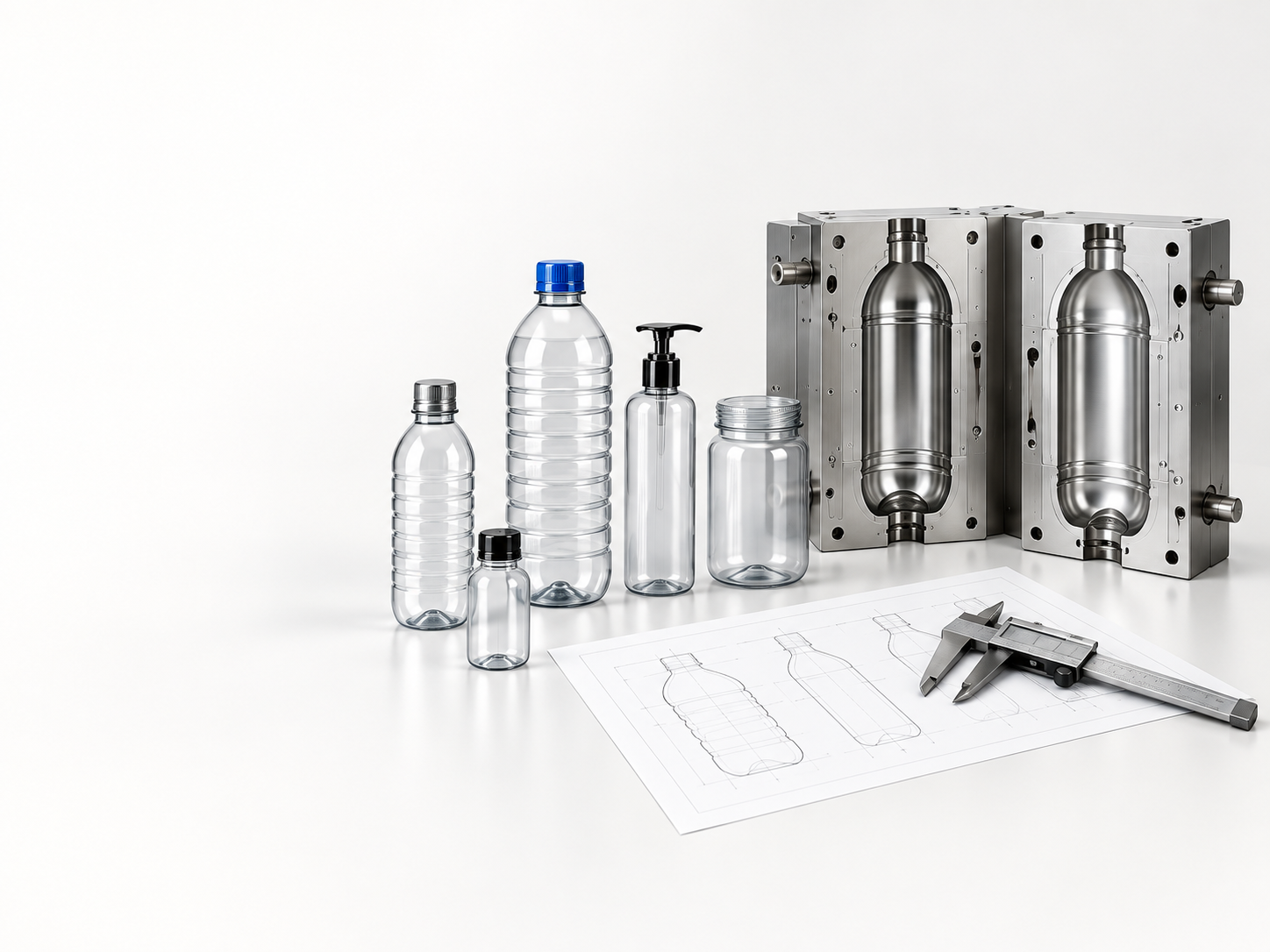
Illustrative clear containers, open bottle mold, caliper and unmarked drawing for planning.
Planning illustration only — not a verified project photograph, signed drawing or exact tooling configuration.
Topic clusters

Start from the cluster that matches the buying risk.

Each cluster entrance points to existing guides, public evidence and RFQ tools. Use these pages to shortlist the route, then move to project-confirmed engineering review.

Buyer topic

Blow Machine Selection

Use material route, bottle geometry, output target and existing public KRC route pages to narrow the right machine family before RFQ pricing.

Open machine-selection guide
Decision checks, evidence and RFQ links
Start withBottle material, bottle use case, preform route and target output rather than only a model number.
Public references available nowKRC route pages, the factory-media verification status and the RFQ checklist already on the site.
Still RFQ-gatedBottle max diameter and height, real output on your bottle, lamp setup, air pressure and destination voltage.
Buyer topic

Mold and Bottle Compatibility

Connect bottle drawing, neck finish, cavity target, preform route and target machine fit before tooling approval or sample acceptance.

Open mold-compatibility guide
Decision checks, evidence and RFQ links
Start withDimensioned bottle drawing or measured sample, neck finish, material and target machine route.
Public references available nowBottle blow mold pages, media-verification status, mold-related comparisons and the mold design brief download.
Still RFQ-gatedExact mold thickness fit, cavity release plan, sealing acceptance, trial criteria and batch-tied sample approval.
Buyer topic

Line Cost and Auxiliary Planning

Separate core machine price from mold, utilities, conveyor handoff and support scope so line cost is compared on the same boundary.

Open cost and auxiliary guide
Decision checks, evidence and RFQ links
Start withBottle format, target pcs/hr, machine scope, downstream handoff and available floor layout.
Public references available nowCost-factor guide, auxiliary-equipment pages, line-planning sheet download and factory evidence-request categories.
Still RFQ-gatedAir demand, chiller load, conveyor length and height, installation scope, spare parts and final packing plan.

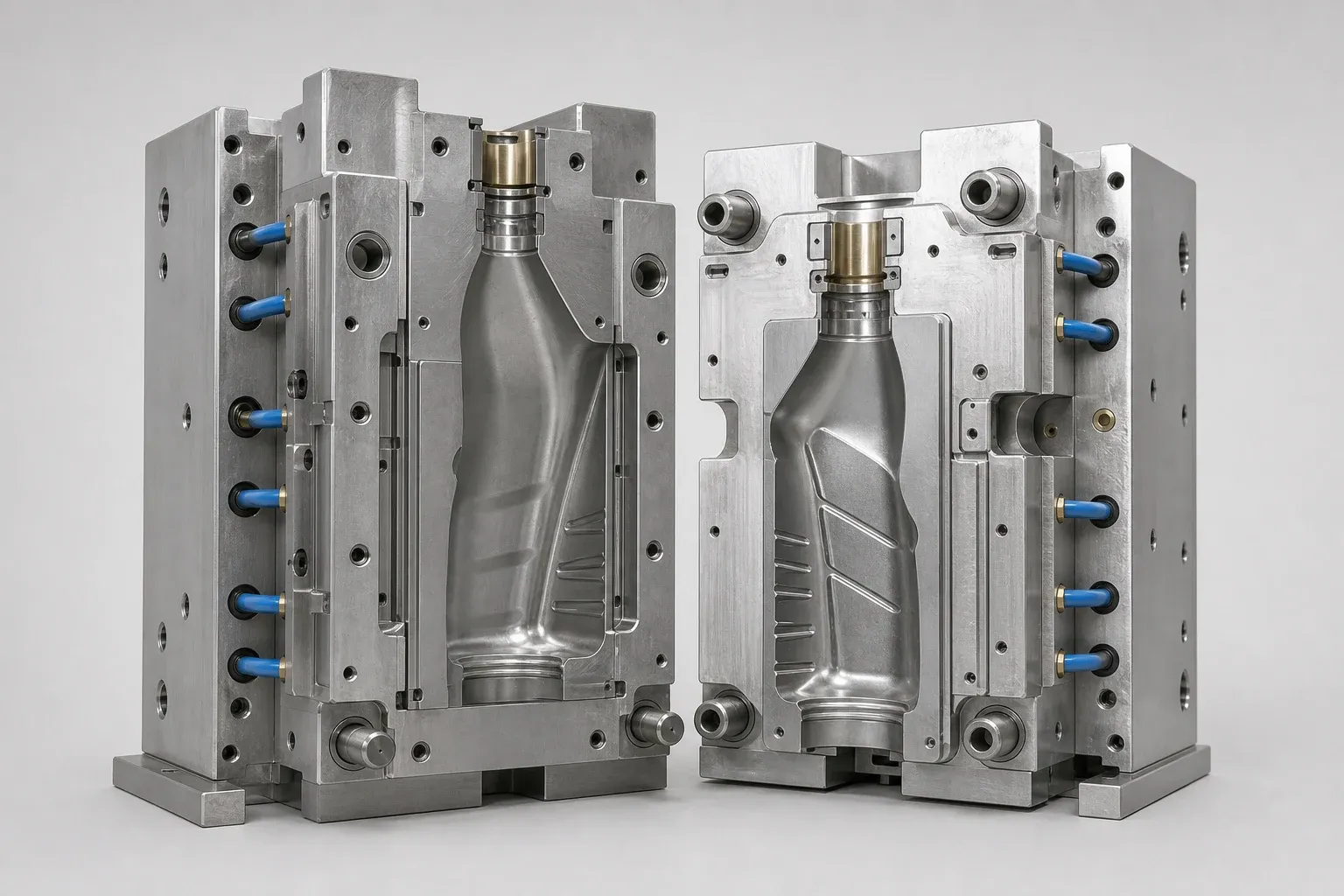
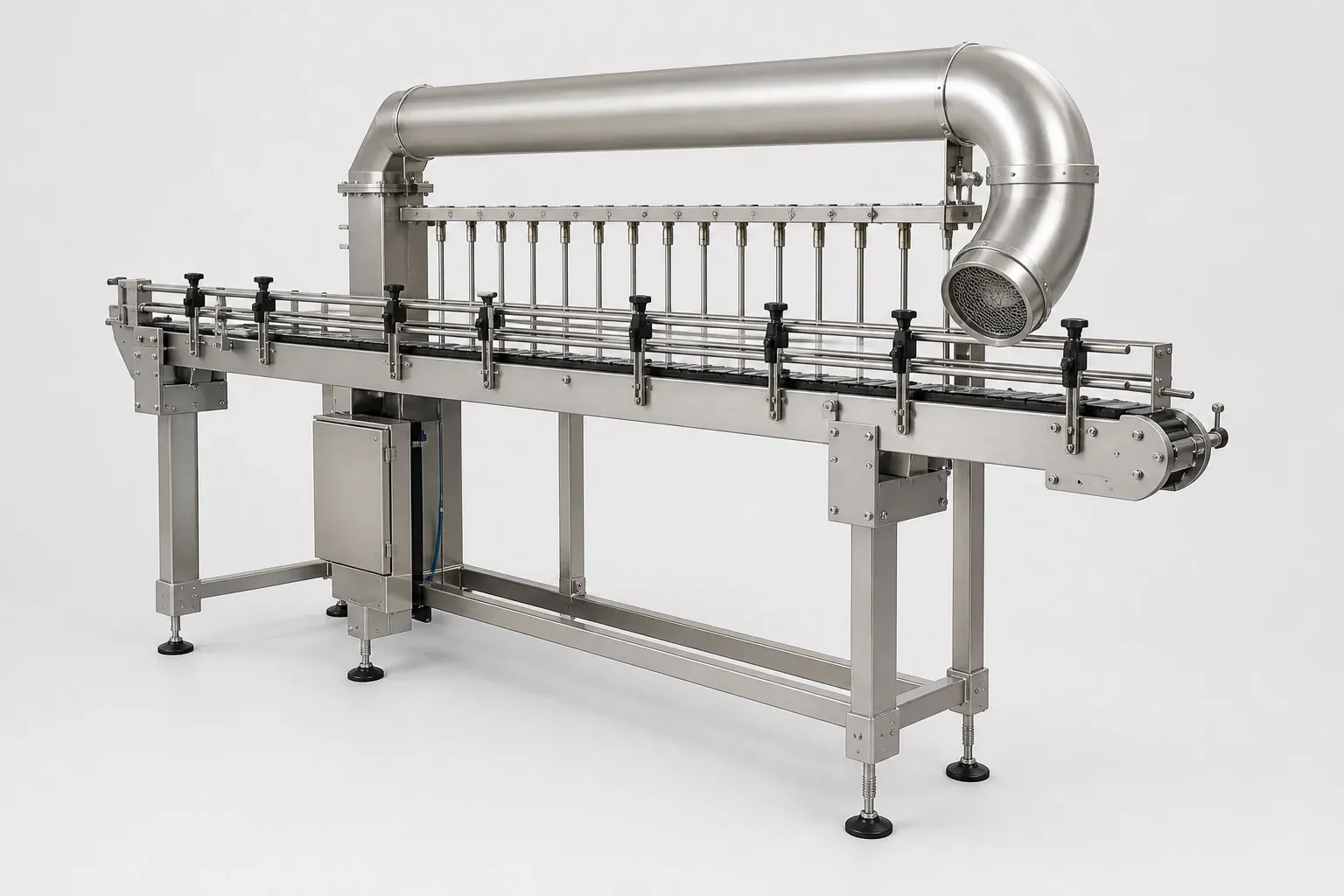
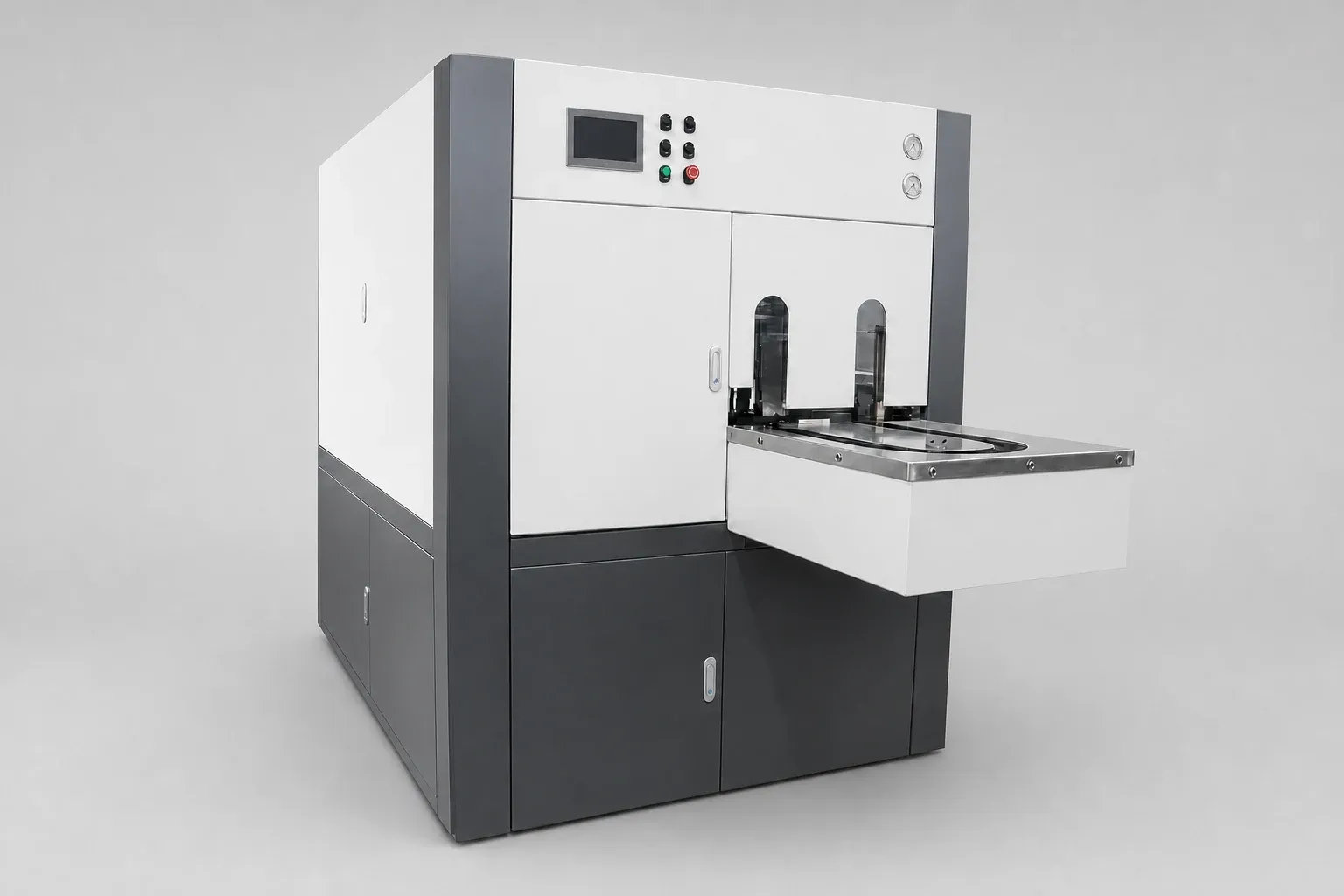
Planning illustration only — not a verified project photograph, signed drawing or exact tooling configuration.

Buyer guides

Latest practical guides.

Choose a guide for your current bottle, mold or line-planning question. Each guide states its source and limits.

Market context

PET Bottle Blowing Machine Market Overview

Primary-source packaging, recycled-content and recycling signals translated into evidence-safe equipment RFQ decisions.

Read guide
Checklist

PET Blow Molding Machine RFQ Checklist

What to send before asking for a PET bottle blowing machine quote: bottle volume, preform, target output, material and mold needs.

Read guide
Mold and bottle compatibility

Bottle Blow Mold Project Guide

How to prepare a bottle mold project: capacity, neck finish, cavity route, sample acceptance and machine matching.

Read guide
Blow machine selection

PET Stretch Ratio: Axial, Hoop and Planar Calculation

Calculate axial, hoop and planar stretch ratios from documented drawing dimensions, and understand why geometry checks do not establish a universal processing window.

Read guide
Blow machine selection

PET Preform Weight by Bottle Size and Content Type

Select a preform by bottle geometry, closure, filling conditions and acceptance tests rather than treating bottle volume as a gram-weight specification.

Read guide
Blow machine selection

Compressed Air and Cooling Requirements for a PET Blowing Line

Separate blowing air, service air and cooling duties, and distinguish a pressure-volume calculation from measured compressor and chiller demand.

Read guide
Blow machine selection

PET Bottle Neck Finish Selection: PCO 1881, 1810 and 30/25

Compare neck-finish candidates using the exact closure drawing, revision, sealing requirements and filling-line interfaces before approving preform tooling.

Read guide
Blow machine selection

PET Resin Drying: Dew Point, Temperature and Moisture

Check resin-specific drying requirements using measured dew point, temperature, airflow, residence time and moisture before investigating preform quality.

Read guide
Blow machine selection

PET Bottle Defects: Haze, Pearlescence and Rocker Bottom

Investigate haze, pearlescence, rocker bottoms and uneven walls using defect location, material records and controlled process comparisons.

Read guide
Blow machine selection

How Many Cavities Does a PET Blow Molding Machine Need?

Calculate a preliminary cavity count from target good bottles per hour, cycle time, availability and acceptance yield using explicitly hypothetical inputs.

Read guide
Line cost and auxiliary planning

PET Blow Molding Machine Cost Factors

A buyer-side guide to the factors that shape PET blow molding machine cost before final quotation.

Read guide
Checklist

Bottle Blow Mold Design Checklist

A practical checklist for bottle blow mold buyers preparing drawings, samples, cavity targets and acceptance rules.

Read guide
Line cost and auxiliary planning

Air Compressor, Chiller and Conveyor for PET Blowing Line

Auxiliary equipment planning for PET bottle blowing lines, including compressed air, cooling, conveyor handoff and packing flow.

Read guide
Buying guides

Use the resource map to prepare an evidence-bounded RFQ.

Start with 13 published buying guides organized into 3 topic clusters. They connect machine selection, mold compatibility and line planning to RFQ inputs, while final output, utilities, compatibility, lead time and price remain subject to written confirmation.

  • 13 published guides, including the market overview
  • 3 decision-oriented topic clusters
  • Project-specific claims remain quotation-confirmed.
Evidence boundary

Use public content for shortlisting, not for silent assumptions.

PetBlowMold publishes route pages, reference media and downloads for early buying decisions. Final output, utilities, compatibility, lead time and price still need RFQ confirmation against bottle and factory data.

Public reference material Product route pages, comparison guides, media-governance status and downloadable RFQ files visible on the site today. Pending-rights factory and company media are not public evidence.
Project-confirmed evidence Bottle drawing, preform data, cavity plan, layout, destination voltage, quote scope and batch-tied trial proof confirmed during RFQ review.
Not published as public claim Buyer-specific pricing, guaranteed throughput, final utility load, batch QC records, delivery terms and customer-specific case claims.
Resource FAQ

Use the guides without crossing the evidence boundary.

How should a buyer choose a resource cluster?

Start with one of the 3 current clusters: Blow Machine Selection; Mold and Bottle Compatibility; Line Cost and Auxiliary Planning. Their existing summaries and decision rows separate machine selection, mold compatibility and line-cost questions.

What is included in the published resource index?

The index combines 12 guide records from the shared resource catalog with 1 separately published market-overview route, for 13 published guide routes in total.

Which details still require written confirmation after reading a guide?

Final output, utilities, compatibility, lead time and price remain subject to written confirmation against the buyer’s bottle, mold, factory and destination data.

Next engineering step

Turn the selected guide into a quote-ready bottle brief.

Send the bottle format, material, target output, mold scope and destination. Add drawings or sample photos only when they are ready.