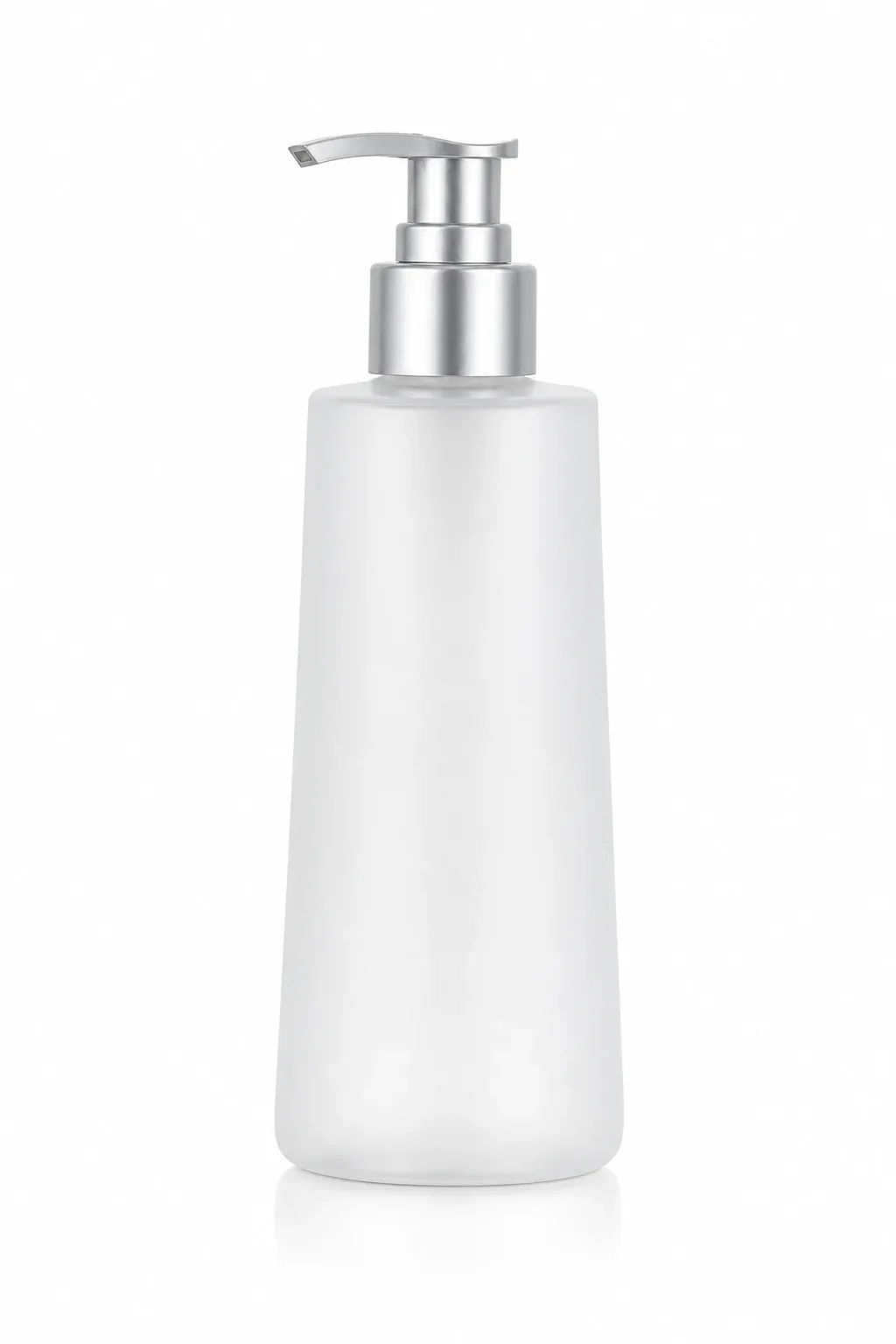
Cosmetic Bottle Production
Blow molding machine and mold routes for cosmetic bottles where finish, bottle shape and material clarity affect buyer acceptance.

Use application pages to map bottle requirements to the right machine, mold and line planning questions.
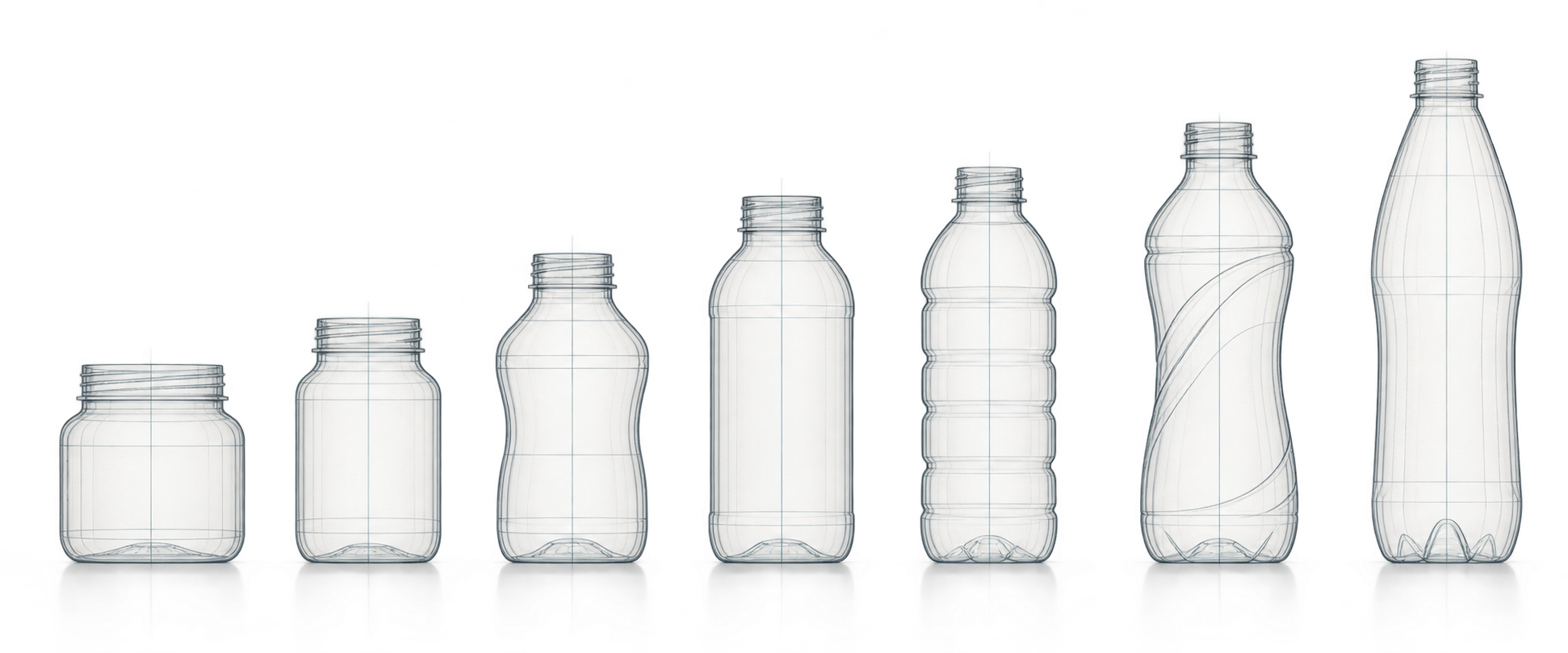
Blow molding machine and mold routes for cosmetic bottles where finish, bottle shape and material clarity affect buyer acceptance.
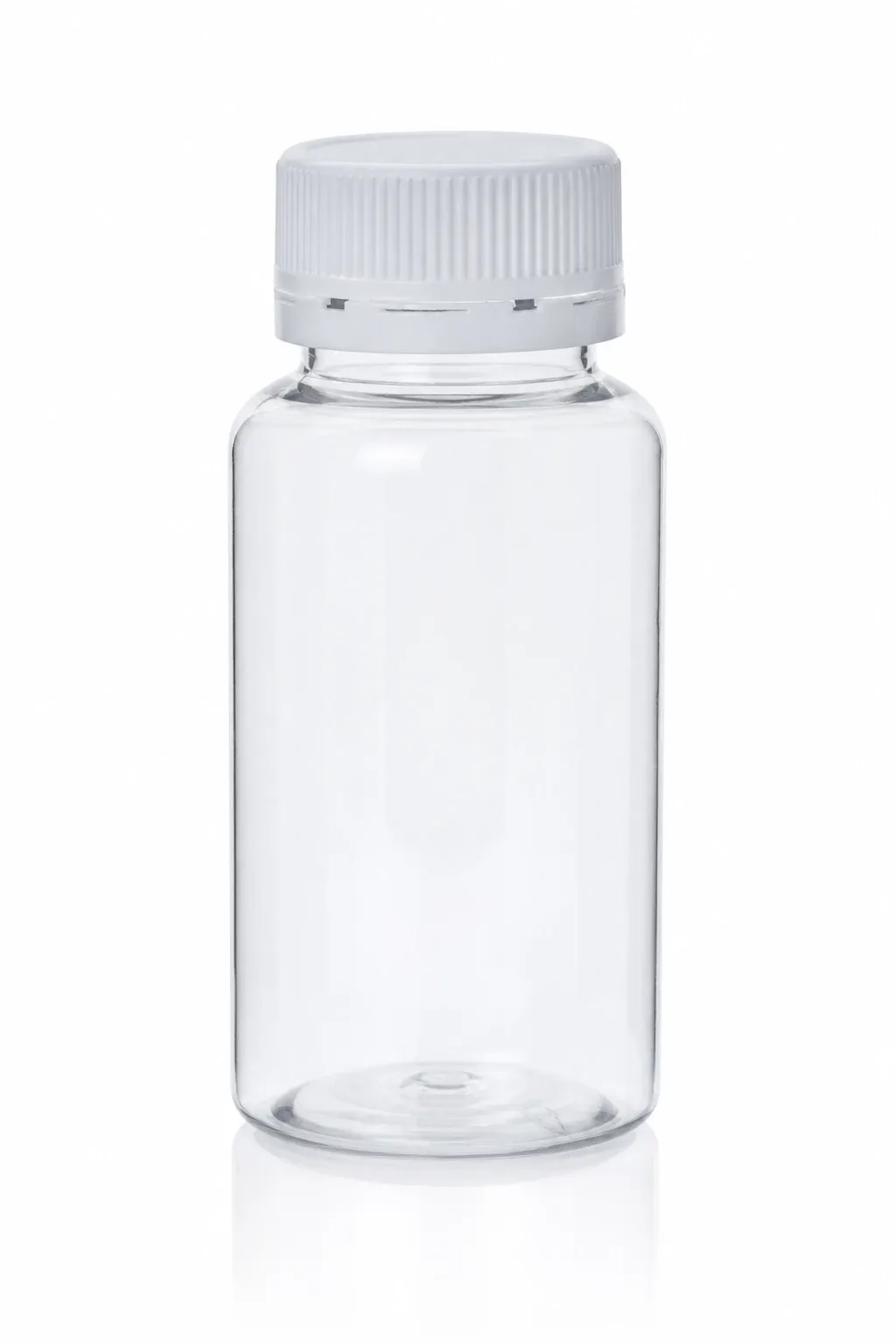
Machine and mold support for medicine bottles where stable neck dimensions, cleanliness and repeatability matter.
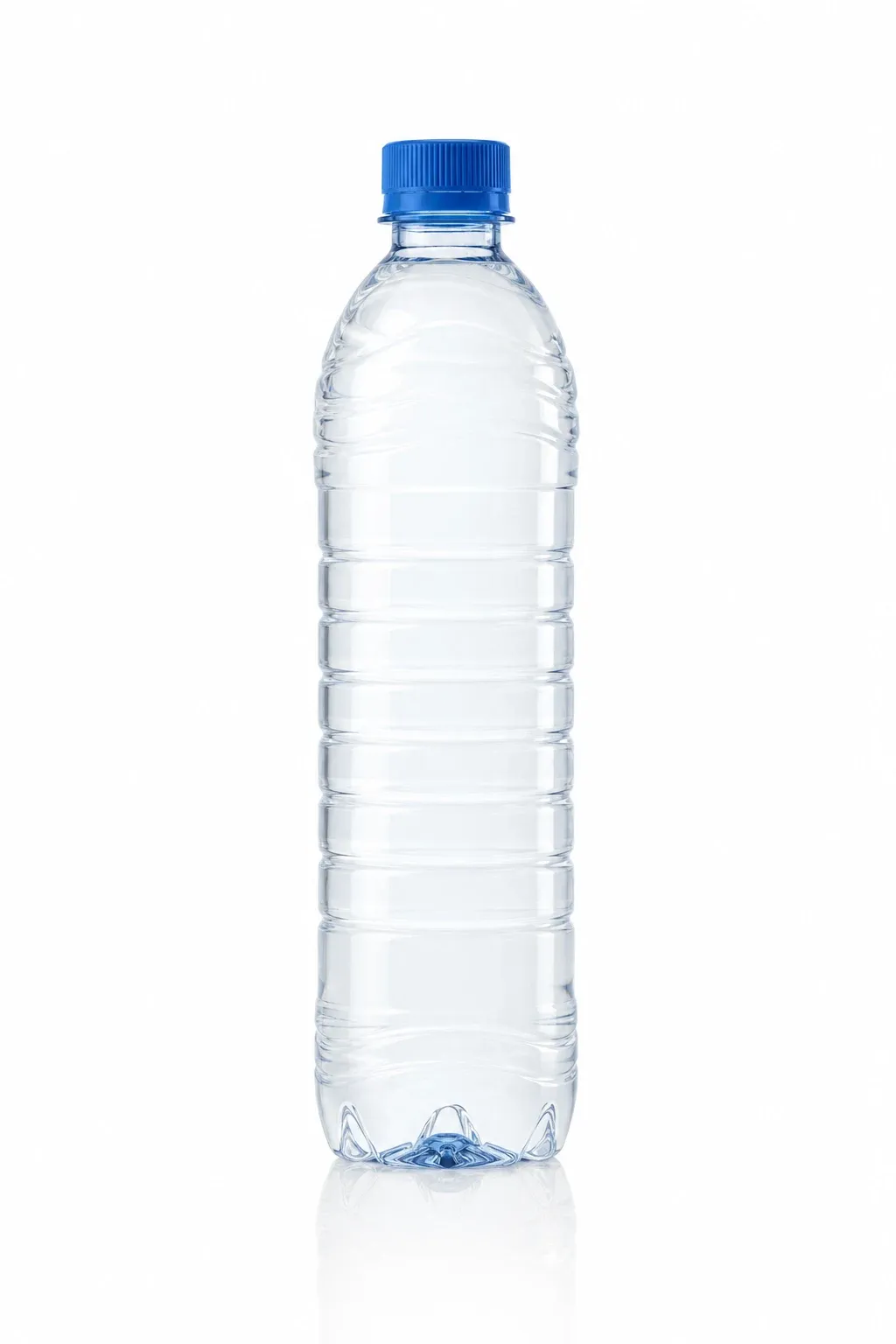
PET bottle blowing routes for mineral water, beverage and oil packaging projects from sample bottle to production setup.
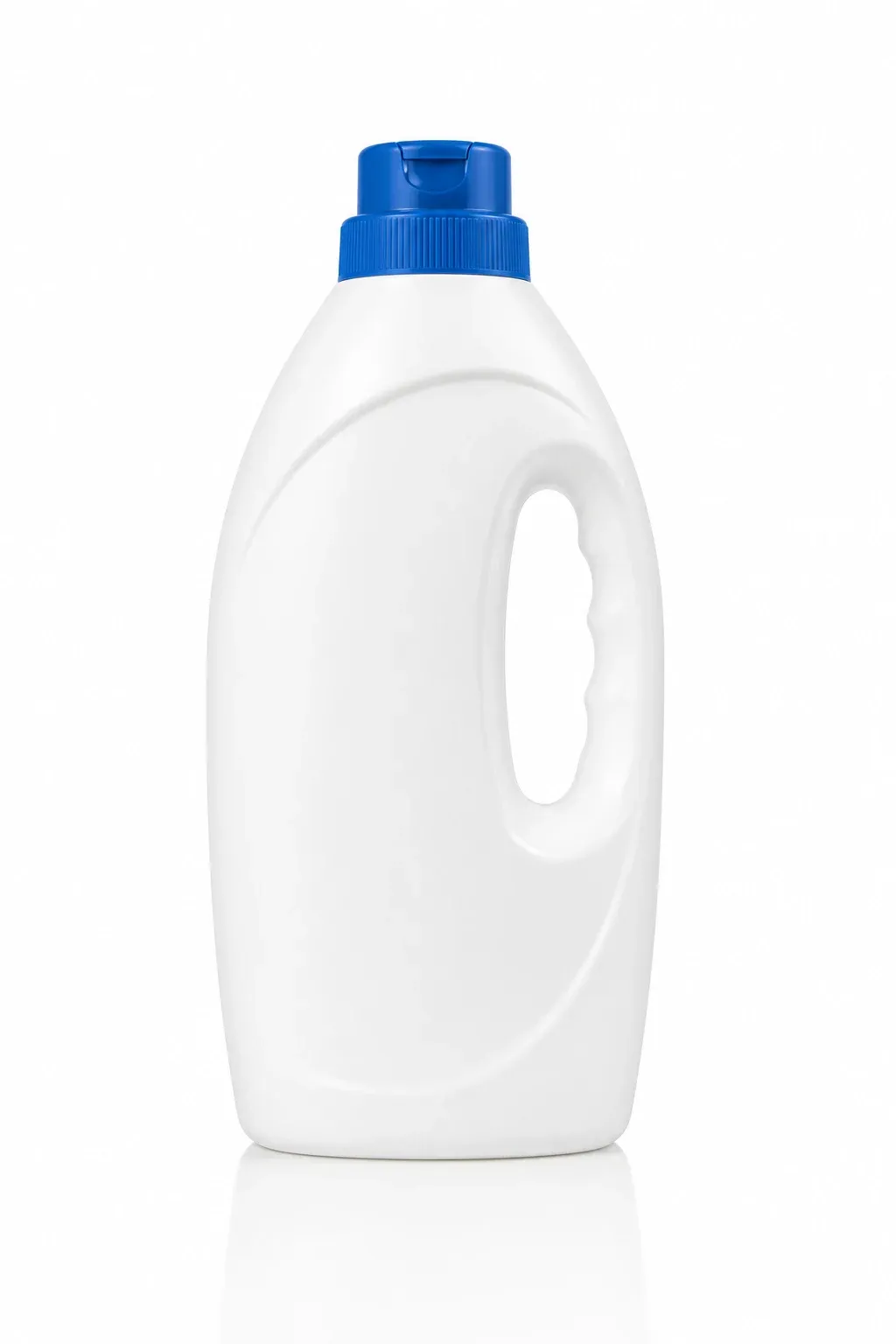
Bottle blowing and mold support for daily-use bottles, oil containers and packaging shapes with different material requirements.
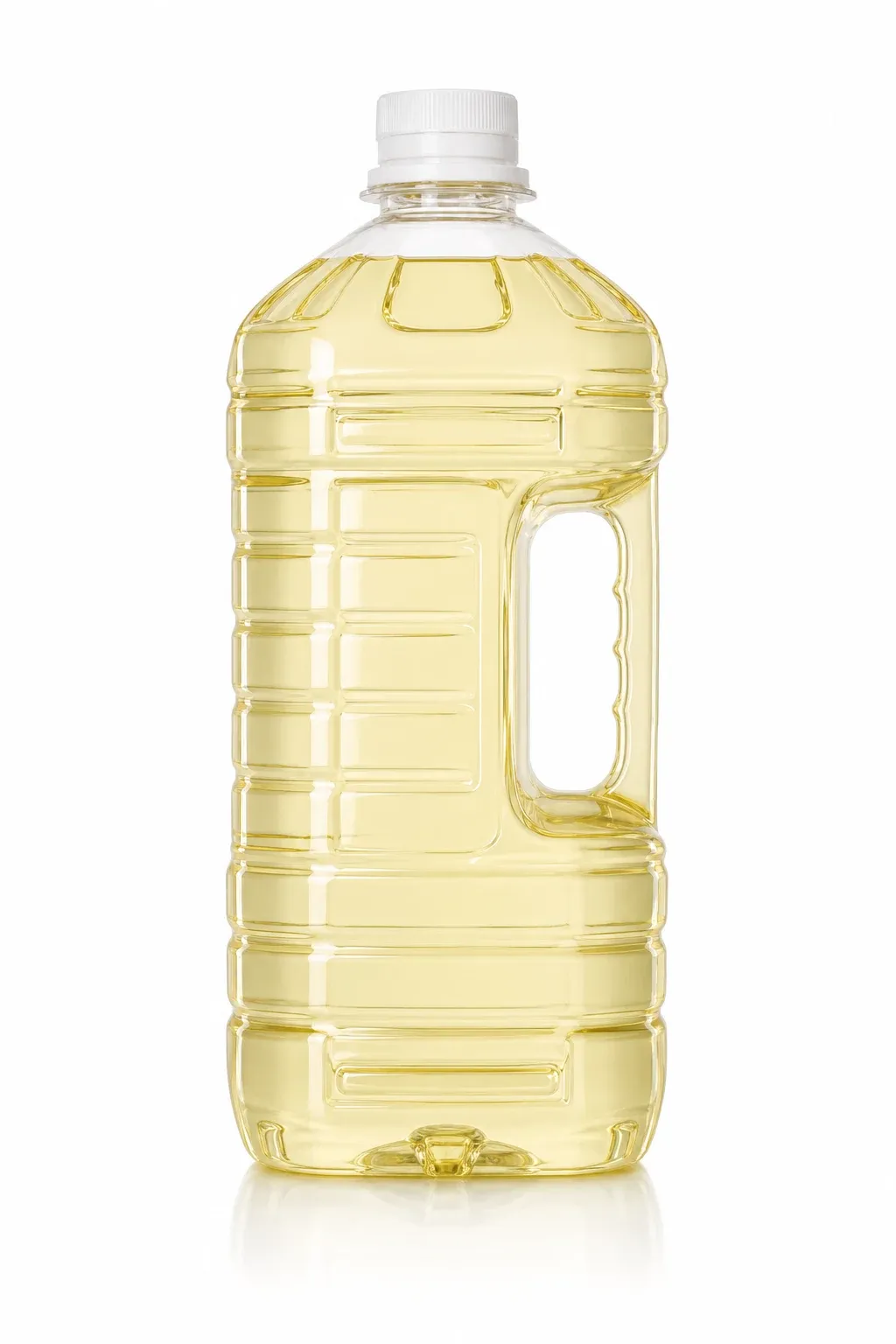
Machine and mold planning for edible oil bottles where handle geometry, shoulder transition, wall distribution and packing handoff affect acceptance.
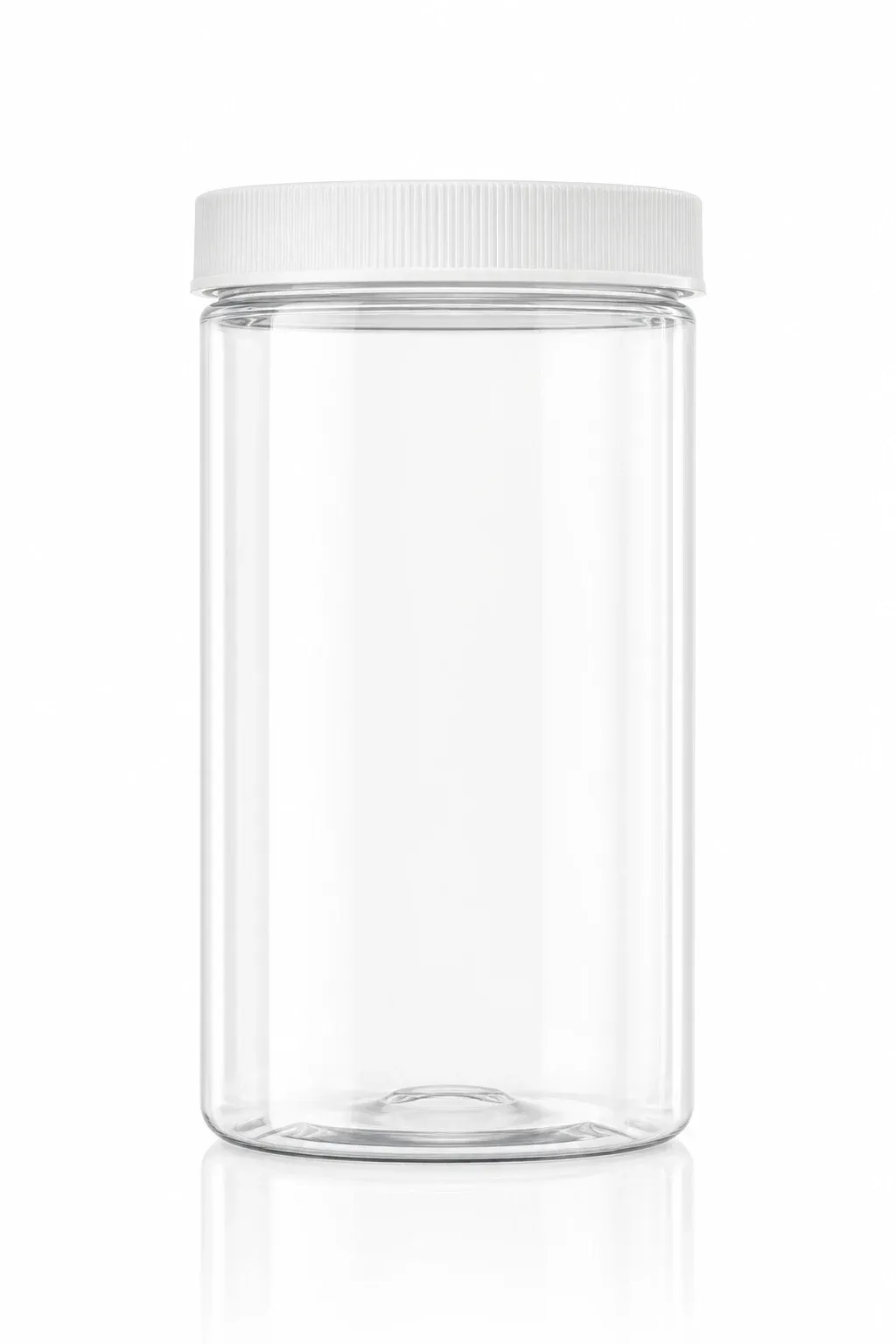
Mold and machine route planning for wide-mouth jars, storage containers and packaging where neck diameter and closure fit drive tooling risk.
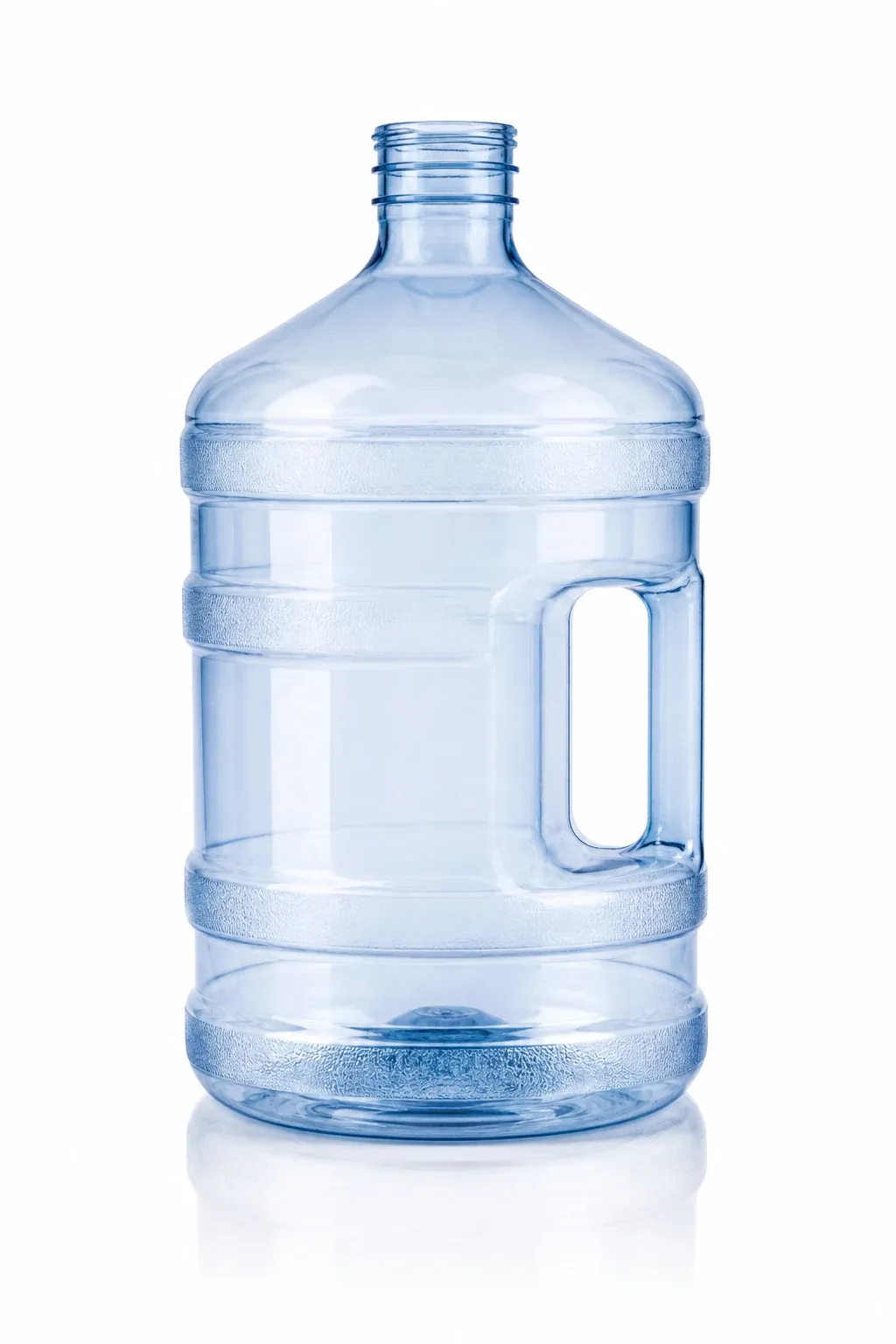
Bottle blowing and mold review for larger water containers, buckets and container shapes where footprint, handling and mold fit matter.
Container reference visualization — not an exact bottle specification, verified project photograph or measured result.
Use 7 application pages and 21 published RFQ checks to route a bottle project by use case. These counts organize material, geometry, output, mold and handoff questions; they do not establish a final machine configuration or verified project result.
Bottle format drives machine, mold and line scope more than any other single input.
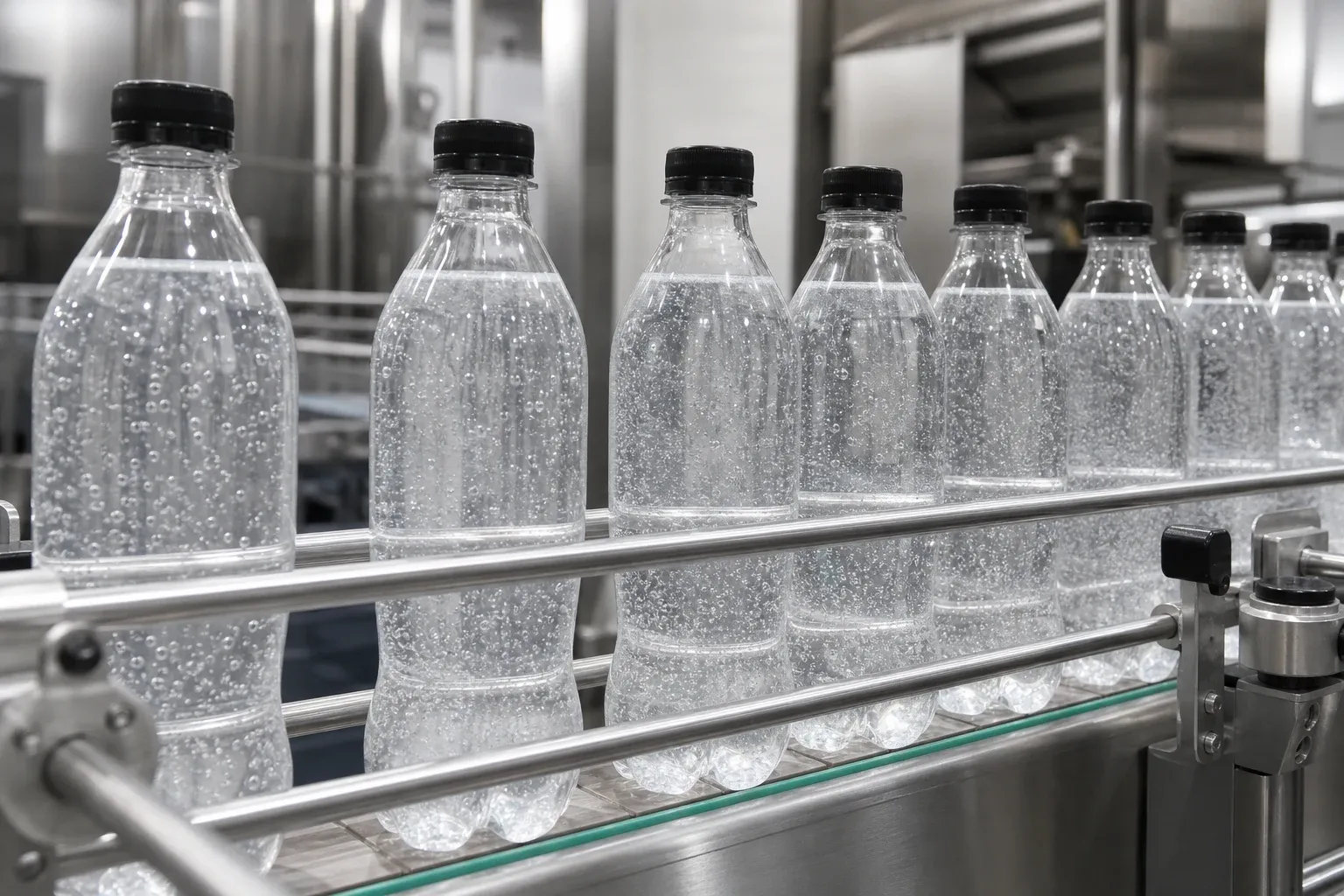
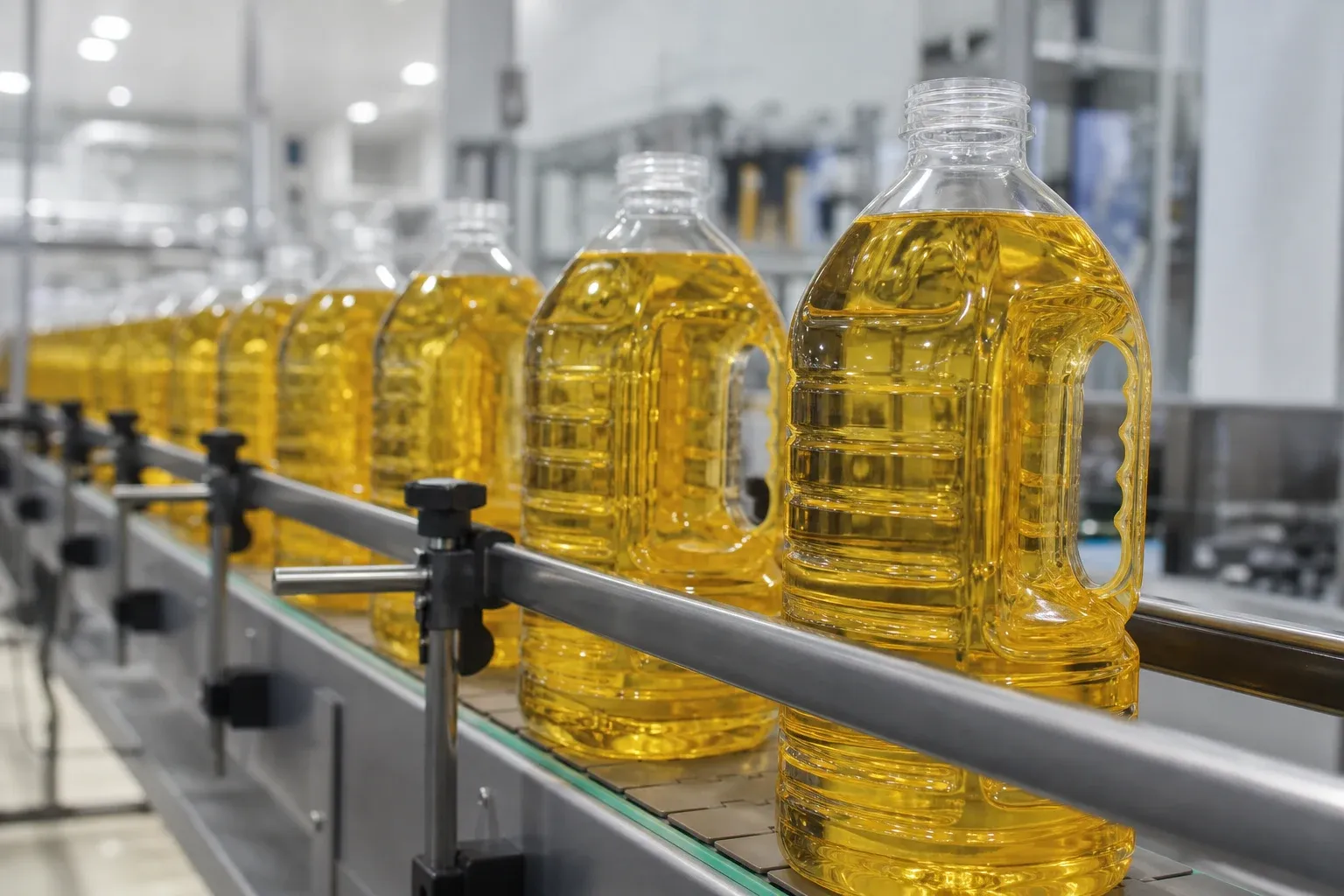
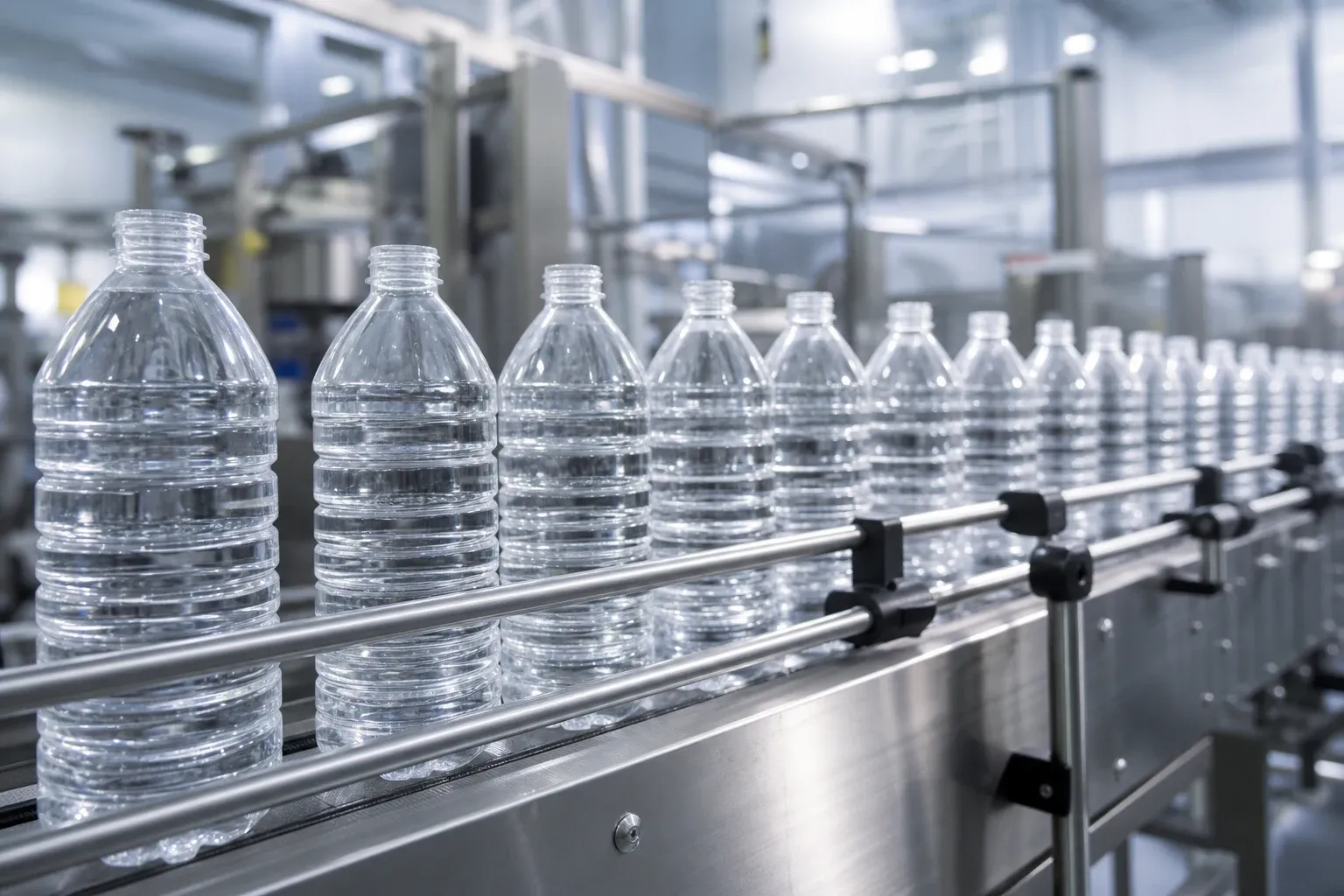
Application reference visualization — not a PetBlowMold facility, customer installation, delivery record or verified production evidence.
Use this index when the buyer knows the bottle category but still needs machine, mold and production-line questions organized before contacting engineering.
| Bottle use case | Routing answer | Listed product references | RFQ checks before review |
|---|---|---|---|
| Cosmetic Bottle Production | Cosmetic bottle RFQs should confirm material clarity, neck finish, shoulder geometry and sample appearance before choosing a PET or PP blowing route. |
|
|
| Medicine Bottle Programs | Medicine bottle programs should start with neck finish, repeatability target, material route and clean handling requirements before machine selection. |
|
|
| Beverage and Water Bottles | Water and beverage bottle lines should confirm PET preform, bottle volume, target pcs/hr and filling-line handoff before equipment comparison. |
|
|
| Daily-use and Oil Containers | Daily-use and oil container projects need geometry, handle design, material route and operator access reviewed before mold and machine approval. |
|
|
| Edible Oil Bottle Programs | Edible oil bottle RFQs should start with bottle volume, handle or shoulder geometry, PET or PP route, cap finish and line handoff before comparing machine or mold price. |
|
|
| Wide-mouth Jar and Container Programs | Wide-mouth jar RFQs should confirm mouth diameter, closure route, material, wall distribution and machine fit before selecting blow mold or preform mold scope. |
|
|
| Large Water Container and Bucket Programs | Large water container RFQs should define volume, handle or bucket geometry, material route, mold fit and factory layout before machine or mold selection. |
|
|
It compares 7 published use cases using 21 listed product references and 21 RFQ checks from the current application records. Use those entries to choose a review page, not to approve final equipment.
Open the title closest to the intended bottle use: Cosmetic Bottle Production; Medicine Bottle Programs; Beverage and Water Bottles; Daily-use and Oil Containers; Edible Oil Bottle Programs; Wide-mouth Jar and Container Programs; Large Water Container and Bucket Programs. Then review that row’s routing answer, product references and RFQ checks before sending bottle data.
No. The 21 product references come from the current application records and form a shortlist only. The written quotation confirms the final machine, mold, utilities and acceptance scope.